

Our bones are the literal framework of our lives. They support us, allow us to move, and protect our vital organs. Yet, because we cannot see them, it is easy to take them for granted until something goes wrong. Bone health is a dynamic process. Throughout our lives, our bodies constantly break down old bone and build new bones. However, as we age, this balance shifts, and for many, the breakdown begins to outpace the rebuilding. This imbalance can lead to a condition that affects millions of Americans, often without a single symptom until a fracture occurs. Understanding the mechanics of bone loss is the first step toward protecting your mobility and independence. At OpSam Health in San Diego, CA, we believe that education is just as powerful as medication in managing your long-term health. Whether you are approaching your golden years or want to be proactive about your future, understanding the risk factors for osteoporosis is vital.
What Is Osteoporosis?
Osteoporosis translates literally to “porous bone.” Looking under a microscope, healthy bone looks like a honeycomb. When osteoporosis occurs, the holes and spaces in the honeycomb are much larger than they are in healthy bone. This means that osteoporotic bones have lost density or mass and contain abnormal tissue structure. As bones become less dense, they weaken and are more likely to break. The most dangerous aspect of this disease is its stealthy nature. It is often called a “silent disease” because you cannot feel your bones getting weaker. You might not know you have osteoporosis until you break a bone from a minor fall or, in severe cases, from a simple action like sneezing or bumping into furniture. The most common injuries associated with osteoporosis are broken bones in the hip, spine, or wrist. Hip fractures are particularly serious, as they often require surgery and hospitalization, which can lead to a lengthy recovery period and a loss of independence. Spinal fractures can also have major consequences, including loss of height, severe back pain, and deformity.
Identifying the Risk Factors for Osteoporosis
While anyone can develop osteoporosis, certain groups are at a higher risk of being affected. Understanding your personal risk profile is crucial for early intervention. Some factors are out of your control, while others are directly related to lifestyle choices you make every day.
Unavoidable Risk Factors
Several genetic and biological factors increase susceptibility:
- Gender: Women are more likely to develop osteoporosis than men. This is mainly due to women having smaller, thinner bones and the sharp decline in estrogen production that occurs during menopause, which accelerates bone loss.
- Age: Simply put, the older you get, the greater your risk. Bone density typically peaks in the early 20s and begins to decline in the 30s.
- Body Frame Size: Individuals with small body frames tend to have a higher risk because they may have less bone mass to draw upon as they age.
- Family History: If a parent or sibling has osteoporosis or if a parent has experienced a hip fracture, your risk increases significantly.
- Ethnicity: Research indicates that White and Asian women are at the highest risk.
Modifiable Risk Factors
Fortunately, there are many risk factors for osteoporosis that you can influence:
- Hormone Levels: Lowered sex hormone levels tend to weaken bone. The reduction of estrogen levels in women at menopause is one of the top risk factors for developing osteoporosis. In men, a slow decline in testosterone levels with age is also a factor.
- Dietary Factors: A lifelong deficiency in calcium plays a significant role in the development of osteoporosis. Low calcium intake contributes to diminished bone density, early bone loss, and an increased risk of fractures. Eating disorders and gastrointestinal surgery can also affect the body’s ability to absorb calcium.
- Medications: The long-term use of corticosteroid medications, such as prednisone and cortisone, can interfere with the bone-rebuilding process.
- Lifestyle Choices: A sedentary lifestyle, excessive alcohol consumption, and tobacco use all contribute to weak bones.
Treating and Managing the Condition
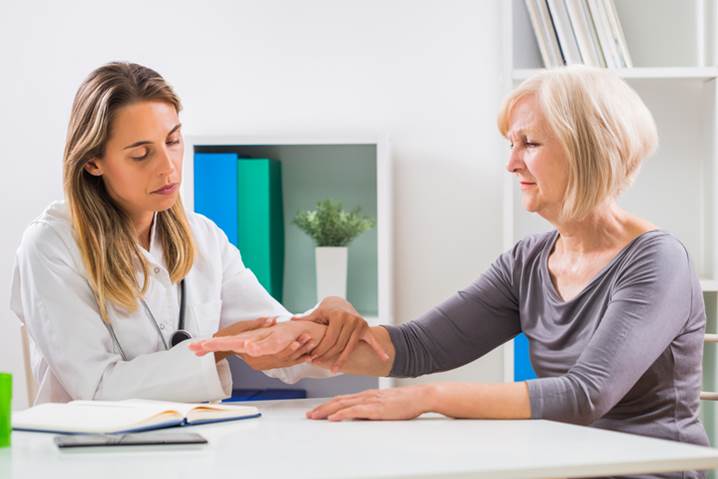
If you are diagnosed with osteoporosis, the goal of treatment is to protect and strengthen your bones to prevent fractures. Treatment plans for patients are often personalized based on an estimate of your risk of breaking a bone in the next 10 years. A significant part of treatment involves fall prevention. When bones are fragile, preventing falls is just as important as strengthening the bones. Simple home modifications can make a massive difference:
- Removing tripping hazards, such as throw rugs and electrical cords.
- Installing grab bars in bathrooms.
- Ensuring your home is well-lit.
- Wearing sturdy, low-heeled shoes with non-slip soles.
Strategies for Prevention
The best way to handle osteoporosis is to prevent it from developing in the first place. Building strong bones during childhood and adolescence is critical, but you can take steps during adulthood to protect your bone health, too. Effective osteoporosis prevention centers around three main pillars: nutrition, activity, and lifestyle.
- Prioritize calcium and Vitamin D
- Engage in weight-bearing exercise
- Adopt a bone-healthy lifestyle
Protecting Your Future Mobility
Osteoporosis does not have to be an inevitable part of aging. By understanding the risks and taking proactive measures today, you can protect your bones for years to come. It is about making small, consistent investments in your health, eating the right foods, staying active, and being aware of your family history. If you are concerned about your bone health or fall into a high-risk category, do not wait for a fracture to seek help. A simple bone density test can give you a clear picture of where you stand. At OpSam Health in San Diego, we are committed to supporting our community in maintaining their strength and independence. Contact us today and take the first step toward a stronger, healthier future.