


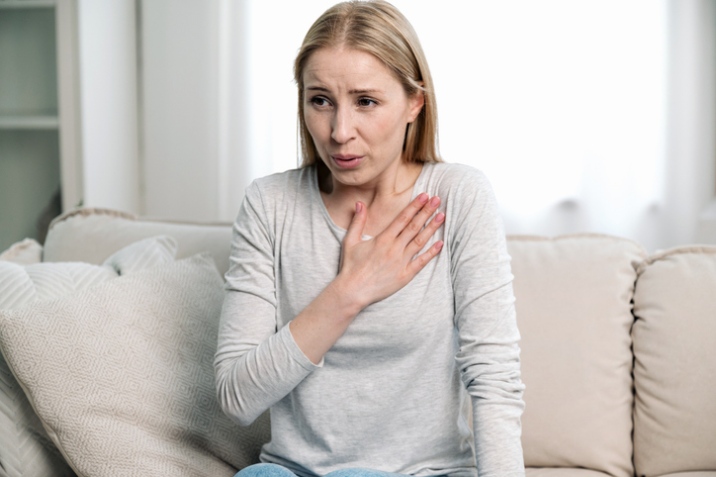
You are sitting at your desk, driving a car, or perhaps just waking up from sleep, when suddenly, your heart begins to race. Your chest feels tight, your palms are sweating, and a sense of impending doom washes over you. Is it a heart attack? Is it stress? Or is it something psychological? If you have ever experienced this overwhelming surge of fear or discomfort, you are not alone. Millions of people navigate these intense physical and emotional responses every year. However, describing what happened can be confusing. People often use the terms “panic attack” and “anxiety attack” interchangeably, but they are not the same thing. Understanding the distinction between a panic attack vs. anxiety attack is the first step toward finding the proper support and regaining control of your life. While both experiences share common symptoms—such as a rapid heartbeat and shortness of breath—they differ significantly in their intensity, duration, and triggers. Knowing which one you are experiencing can help you communicate more effectively with mental health professionals, such as our team here at OpSam Health in San Diego, and determine the best course of action for your well-being.
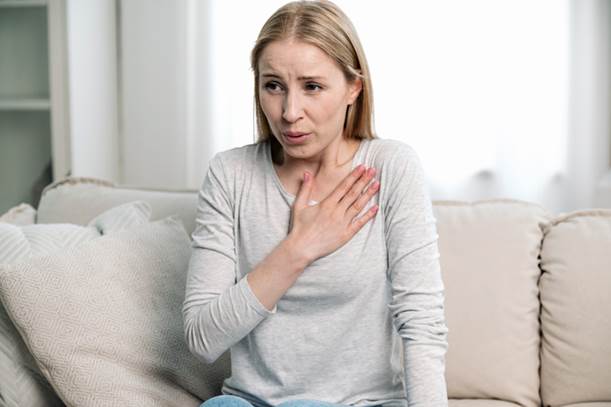
Understanding Panic Attacks
A panic attack is an abrupt surge of intense fear or discomfort that reaches a peak within minutes. The defining characteristic of a panic attack is its suddenness. It can occur without any obvious trigger, striking when you are relaxed or even asleep (nocturnal panic attacks). The experience is often described as visceral and violent. Because the physical symptoms are so severe, many people who experience their first panic attack end up in the emergency room, convinced they are having a heart attack or a stroke. The body’s “fight or flight” response kicks into overdrive for no apparent reason, flooding the system with adrenaline. This reaction is disproportionate to the actual danger present—often, there is no danger at all.
Symptoms of Panic Attacks
The symptoms of a panic attack are primarily physical and intense. For an episode to be classified as a panic attack, a person generally experiences at least four of the following symptoms abruptly:
- Heart Palpitations: A pounding or racing heart that feels like it is beating out of your chest.
- Sweating and Chills: Sudden hot flashes or cold chills, often accompanied by trembling or shaking.
- Respiratory Distress: Sensations of shortness of breath, smothering, or a feeling of choking.
- Chest Pain: Tightness or pain in the chest area, which mimics cardiac events.
- Nausea: Abdominal distress, stomach cramping, or feeling like you might vomit.
- Dizziness: Feeling lightheaded, unsteady, or faint.
- Derealization or Depersonalization: A feeling of unreality (derealization) or being detached from oneself (depersonalization).
- Fear of Losing Control: A terrifying belief that you are going crazy or losing your mind.
- Fear of Dying: An unshakable sense that death is imminent.
Causes of Panic Attacks
The exact cause of panic attacks is not always clear, though researchers believe it involves a combination of factors. Unlike anxiety, which is often a reaction to a stressor, panic attacks can be “uncued,” meaning they happen unexpectedly. However, they can also be “cued” by specific fears, such as enclosed spaces (claustrophobia). Common contributing factors include:
- Genetics: A family history of panic attacks or panic disorder suggests a genetic predisposition.
- Major Stress: Significant life transitions, such as the death of a loved one, divorce, or job loss, can trigger panic.
- Brain Chemistry: Imbalances in neurotransmitters and the brain’s processing of fear and emotion play a role.
- Temperament: People who are more sensitive to stress or prone to negative emotions may be at higher risk.
- Biological Function: Some theories suggest panic attacks are a “false alarm” of the body’s survival instincts, firing the survival response when no threat exists.
What Is an Anxiety Attack?
In the debate of panic attack vs. anxiety attack, the latter is trickier to define. Interestingly, “anxiety attack” is not a recognized clinical term. Instead, what people refer to as an anxiety attack is typically a period of intense anxiety that is part of a specific condition, such as Generalized Anxiety Disorder (GAD), social anxiety, or specific phobias. Unlike the sudden onset of a panic attack, anxiety usually builds gradually. It is often a response to a specific stressor or a perceived threat. Think of anxiety as a slow burn rather than an explosion. It is related to anticipation—worrying about a future event, a difficult conversation, work deadlines, or financial trouble. While a panic attack might make you feel like you are dying right now, an anxiety attack often makes you feel like something terrible is going to happen. The symptoms are less likely to require an ER visit, but they can be chronic and debilitating, lasting for days or weeks rather than minutes.
Know the Symptoms
The symptoms of anxiety can be physical, but they are deeply rooted in emotional and cognitive patterns. The intensity may vary from mild worry to severe distress, but it usually lacks the abrupt “peak” of a panic attack. Common symptoms associated with high anxiety include:
- Muscle Tension: Tightness in the neck, shoulders, and jaw, often leading to headaches.
- Restlessness: Feeling “on edge,” wound up, or unable to relax.
- Fatigue: Feeling easily tired or exhausted, despite rest.
- Concentration Issues: The mind going blank or difficulty focusing on tasks due to intrusive worry.
- Irritability: A shortened temper and decreased patience.
- Sleep Disturbances: Difficulty falling asleep, staying asleep, or having restless, unsatisfying sleep.
- Increased Heart Rate: Although the heart may beat faster, it typically doesn’t reach the extreme palpitations associated with a panic attack.
- Startle Response: Being easily startled or jumpy.
What Are the Causes?
External circumstances or internal thought patterns often trigger anxiety. It is the brain’s way of reacting to stress and alerting you to potential danger. While some anxiety is helpful (it keeps us alert), chronic anxiety attacks are usually caused by:
- Chronic Stress: Long-term exposure to stressful environments, such as a toxic workplace or a complex relationship.
- Trauma: Past experiences of abuse, accidents, or military combat can leave a person in a state of hyper-vigilance.
- Medical Issues: Certain health conditions, such as thyroid problems or heart arrhythmias, can produce anxiety symptoms.
- Substance Use: Caffeine, alcohol, and certain medications can worsen or trigger anxiety symptoms.
- Personality Factors: Individuals who are perfectionists or who have a strong need for control may be more susceptible to anxiety attacks when things feel chaotic.
Finding the Right Support in San Diego
Distinguishing between a panic attack vs. anxiety attack is vital because the treatment approaches can differ. Panic disorders often require therapies focused on de-escalating the body’s physical response and exposure therapy to reduce fear. Anxiety issues often benefit from Cognitive Behavioral Therapy (CBT) to address the worry cycles and thought patterns that build up over time. Regardless of the label, you should not have to navigate these feelings alone. If you find that panic or anxiety is interfering with your work, relationships, or daily happiness, it is time to seek professional guidance. At OpSam Health in San Diego, CA, we specialize in helping you understand the signals your body is sending. We provide personalized strategies to manage symptoms and address the root causes of your distress. Don’t let fear dictate your life. Contact us today, and let’s start the journey toward a calmer, more confident you.