



Most of us have heard the golden rule since childhood: visit the dentist twice a year. But life gets busy. Calendars fill up, budgets get tight, and sometimes, unless we feel a sharp pain in a molar, scheduling that appointment slides to the bottom of the to-do list. However, skipping these visits can lead to consequences far more expensive and painful than a routine cleaning. The frequency at which you should visit the dentist depends on your unique dental history, lifestyle, and current health status. At OpSam Health here in San Diego, we believe that understanding your specific needs is the key to maintaining a healthy smile for life. This guide will help you understand exactly how often you should be sitting in the dentist’s chair.
The Standard Rule: How Often Should You Go to the Dentist?
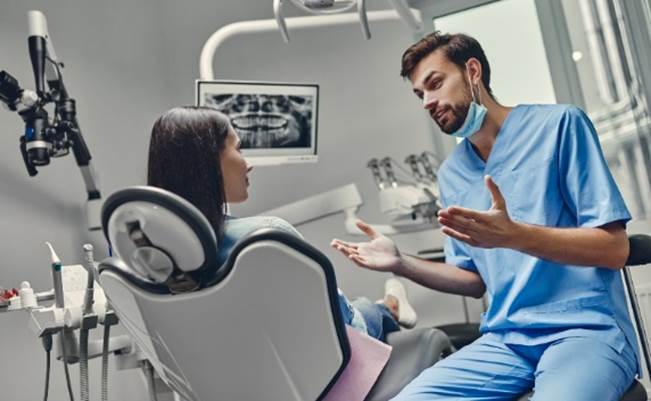
For the average person with good oral hygiene and no severe underlying health conditions, the standard recommendation remains to visit the dentist every six months. This biannual schedule isn’t just a random number chosen by dental boards. It is based on the average time it takes for plaque to harden into tartar. Even if you are a champion brusher and floss every single night, there are hard-to-reach areas in your mouth that a toothbrush cannot clean effectively. If tartar is left on the teeth for too long, it begins to irritate the gums, leading to inflammation known as gingivitis. This process typically takes a few months to progress to a concerning level, which is why the six-month mark acts as a safety net. It allows your hygienist to clear away the buildup before it causes irreversible damage. For most patients, this six-month interval is the sweet spot. If you have started slacking on flossing, your hygienist will notice, and that gentle nudge can get you back on track before serious problems arise.
Who Should Visit the Dentist More Often?
While the six-month rule works for many, a “one-size-fits-all” approach doesn’t work in healthcare. Certain high-risk groups are advised to visit their dentist every three to four months. Your dentist might recommend a more frequent schedule if you fall into one of the following categories:
- Smokers and tobacco users
- Pregnant women
- People with diabetes
- Patients with a history of gum disease
- People with a high risk of cavities
- Those with weakened immune systems
Checkups Are More Than Just Deep Cleanings
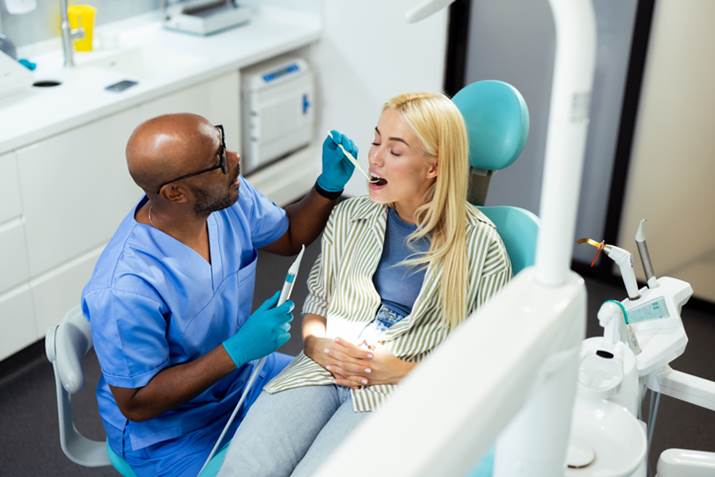
A common misconception is that a dental checkup is just about polishing your teeth to make them feel smooth. While walking out with that fresh, clean feeling is a great perk, the diagnostic side of the appointment is arguably more critical. When you sit in the chair at OpSam Health, we aren’t just looking for sparkling white teeth. We are looking for subtle signs of trouble that you may not be able to see or feel at home. Here is why those regular visits are essential for more than just cleaning:
- Early Detection of Oral Cancer: Oral cancer is a serious disease that can progress quickly if not caught early. During your exam, your dentist performs an oral cancer screening. They check your face, neck, lips, tongue, throat, tissues, and gums for any signs of unusual sores, red or white patches, or lumps. This screening is painless and takes only a minute, but it can be lifesaving. Because oral cancer often doesn’t cause pain in its early stages, professional screenings are the primary way it is detected before it spreads.
- Catching Decay Before It Hurts: By the time a tooth hurts, the cavity has likely already reached the nerve inside the tooth. At this stage, you might need a root canal or a crown rather than a simple filling. Regular visits often include X-rays, which allow dentists to see between the teeth and underneath old fillings. This technology reveals decay in its infancy, often when it is just a tiny spot on the enamel. Treating a cavity at this stage is quick, minimally invasive, and much cheaper.
- Monitoring Gum Health: Gum disease is often referred to as a “silent” disease because symptoms may not appear until the disease has advanced to later stages. You might think your gums are fine, but a dentist can measure the “pockets” between your teeth and gums. If these pockets are deepening, it indicates that the gum is detaching from the tooth, a sign of periodontitis. Catching this early allows for non-surgical treatments to halt the progression.
- Checking for Bad Habits: Many of us grind our teeth (bruxism) or clench our jaws in our sleep without realizing it. Over time, this can wear down tooth enamel, cause teeth to crack, and lead to chronic jaw pain or headaches. A dentist can spot the wear patterns on your teeth that indicate grinding and recommend a night guard to protect your smile while you sleep.
Examining Your Existing Dental Work
Fillings, crowns, and bridges don’t last forever. Over time, they can wear down, chip, or leak, allowing bacteria to get underneath them. Regular exams ensure that your previous dental work remains intact and functioning correctly. Replacing a failing filling is much easier than dealing with the decay that happens if it falls out completely.
Prioritizing Your Smile in San Diego
Determining how often you should go to the dentist ultimately comes down to a partnership between you and your dental care team. For most people, twice a year is the standard that keeps teeth healthy and costs down. However, don’t be afraid to ask your dentist if your specific health profile warrants more frequent visits. Your smile is one of your most valuable assets. It’s the first thing people notice, and it plays a crucial role in your overall systemic health. Skipping appointments might save an hour of time today, but it often leads to hours of treatment later. If it has been more than six months since your last checkup, or if you’re unsure about the right schedule for you, now is the time to take action. At OpSam Health in San Diego, we are committed to helping our community achieve and maintain healthy, confident smiles. Don’t wait for a toothache to remind you of the importance of dental care. Contact us today for questions.